
Structured Commercial Assets for Experienced Professionals
Systems architecture for professionals building independent income.
This is for you if...
These systems are for experienced professionals with deep expertise who are ready to:
mes, go to Site Styles.
Build structured commercial assets
Move past inconsistency and ambiguity
Clarify positioning and offers
Operate with intentional authority
Not for beginners in their field.
Not for hobbyists.
Not for side-projects.
These are systems for professionals with capacity to execute.
Why Do Structured Systems Matter?
Experienced professionals often struggle with:
• Lack of commercial clarity
• Offers that feel vague or scattered
• Difficulty packaging expertise
• Inconsistent messaging
• No structured path to revenue
These system modules replace chaos with architecture.
Convert deep expertise into a defined revenue system with Revenue Architecture Engine
Extract and structure your highest-value expertise
Design a commercially viable core asset
Define your revenue model and pricing pathway
Map scalable delivery systems (AI-enabled)
Build a structured foundation independent of employment
Install a complete authority identity system with *Brand Engine
Install a complete commercial identity system
Architect positioning for authority and longevity
Develop visual system, and image assets
Build a conversion-focused web presence
Translate expertise into commercial assets
Convert knowledge into durable authority with *Story Forge
Transform expertise into a structured authority asset
Develop your core thesis and intellectual framework
Build a publish-ready manuscript or signal book
Create a long-form asset that attracts inbound demand
Convert knowledge into durable market credibility
Use architectural decision tools for complex professional choices with Decision Gate
Evaluate complex professional decisions objectively
Stress-test offers, pivots, and investments
Reduce emotional bias in strategic moves
Align choices with long-term revenue architecture
Maintain disciplined commercial direction
Mix and match available. *Full Service · By Application.
Curious?
Start With Techne Temple to build your confidence.
Product Development System.
$97 AUD

Here's what you get:
Define and structure a commercially viable product in 28 days
Clarify your positioning and core offer without overthinking
Build a revenue-ready asset you can confidently ship
Follow a step-by-step system designed for experienced professionals
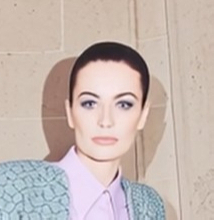
"Extremely Valuable."
"The clarity this system gives me, every time I have a new product idea, is absolutely priceless. With this system in place, I have no doubts about what I want to make next, how to get it done, and how to get it in front of the right people."
No group work. No accountability partners.
I designed this system to allow for chaos and creativity and still end up with a viable product.
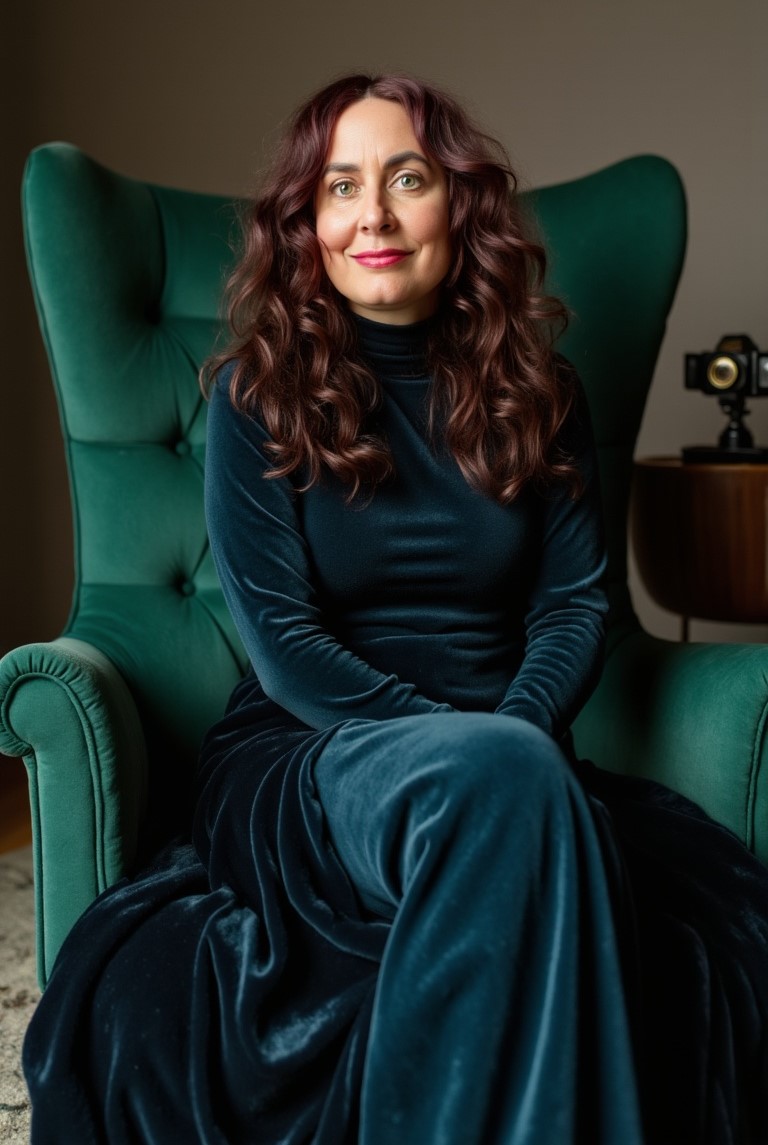
MEET THE FOUNDER
Hi, I'm Catherine!
I’m a Systems Architect designing structured commercial frameworks for experienced professionals who want to convert their expertise into sustainable income. With a background spanning digital media, academia and consulting, I’ve spent over a decade identifying the structural gap between high achievement and financial autonomy. My work focuses on building modular systems that transform knowledge into commercially viable assets, without requiring high-visibility personal branding or institutional dependency.
My Core Focus
• Designing modular revenue systems from existing expertise
• Structuring commercial assets with long-term sustainability in mind
• Translating complex knowledge into market-ready offers
• Reducing reliance on institutional gatekeeping
• Building intellectual and commercial autonomy through architecture, not hype
Graduate Certificate in Research Commercialisation
PhD in Communications
10+ years of results and experience in assisting professionals with Intellectual Property Commercialisation
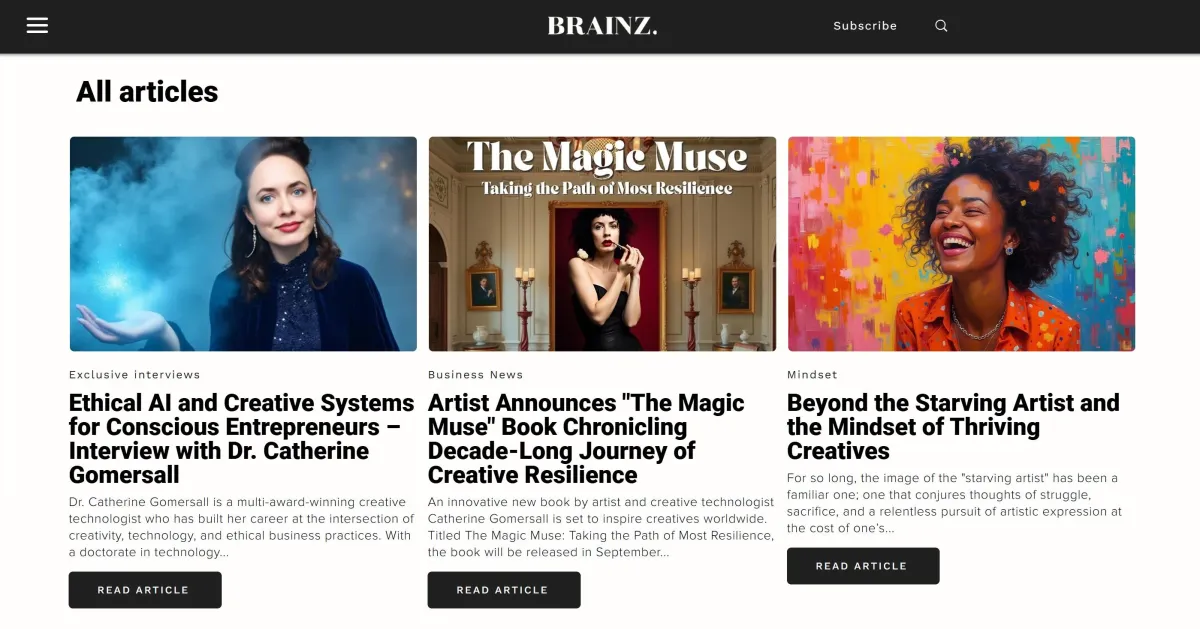
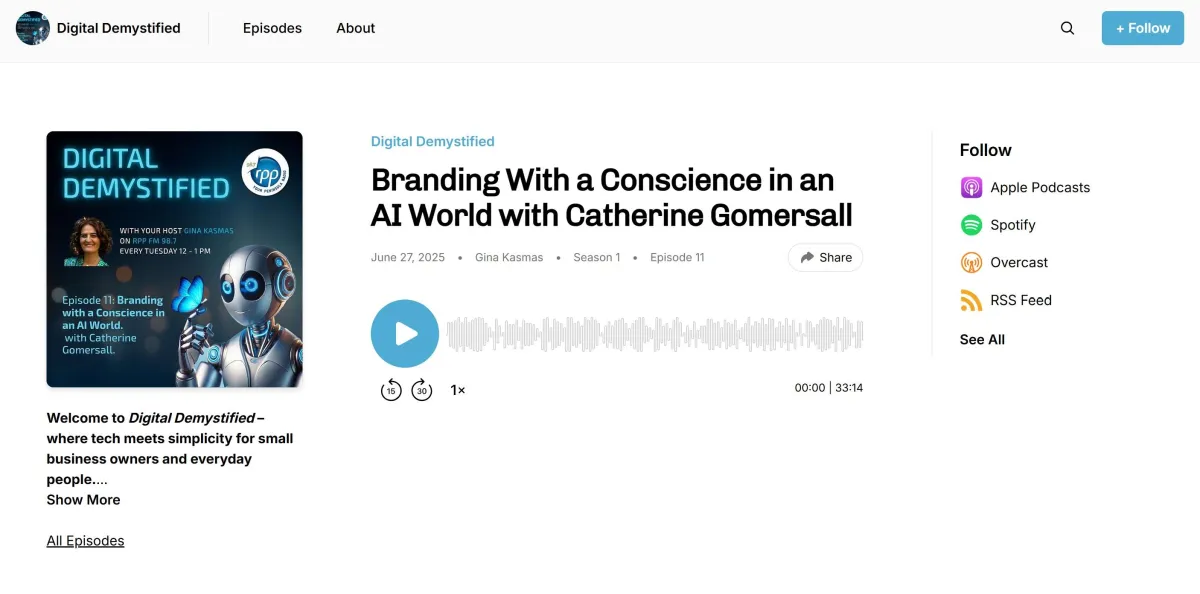
As Featured in...
BRAINZ MAGAZINE
DIGITAL DEMYSTIFIED
COMPANY
RESOURCES
CUSTOMER CARE
NEWS
LEGAL
Based on the bank of the Birrarung, I acknowledge that I live and work on Wurundjeri Country, and pay my respects to Elders past and present.